All Categories
Featured

Commercial Growth Through Hospitality Expansion
Table of Contents

%2Fstory1%2F2731278%2F89a6667dcabd6fc7923e9751c85974cc5967.jpg&w=3840&q=75)
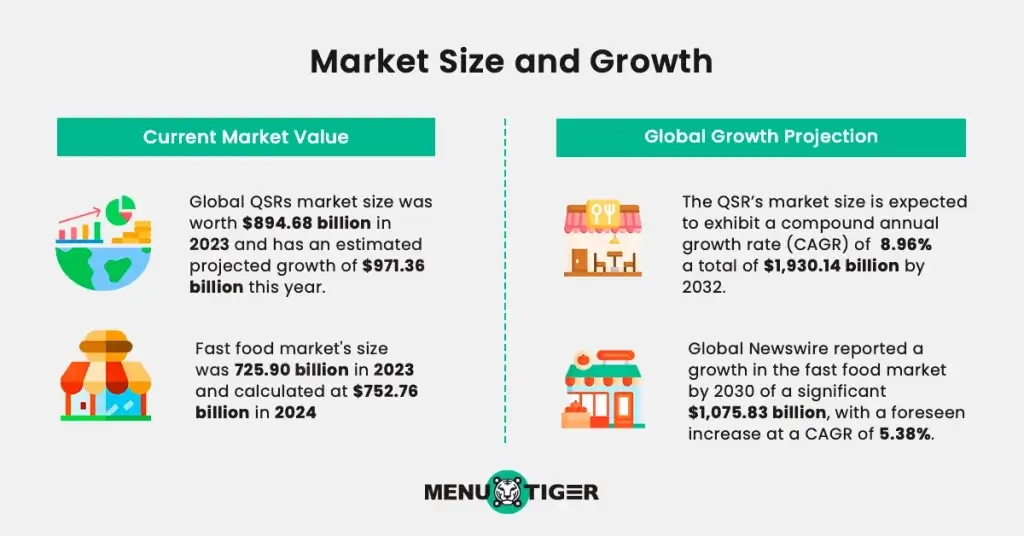
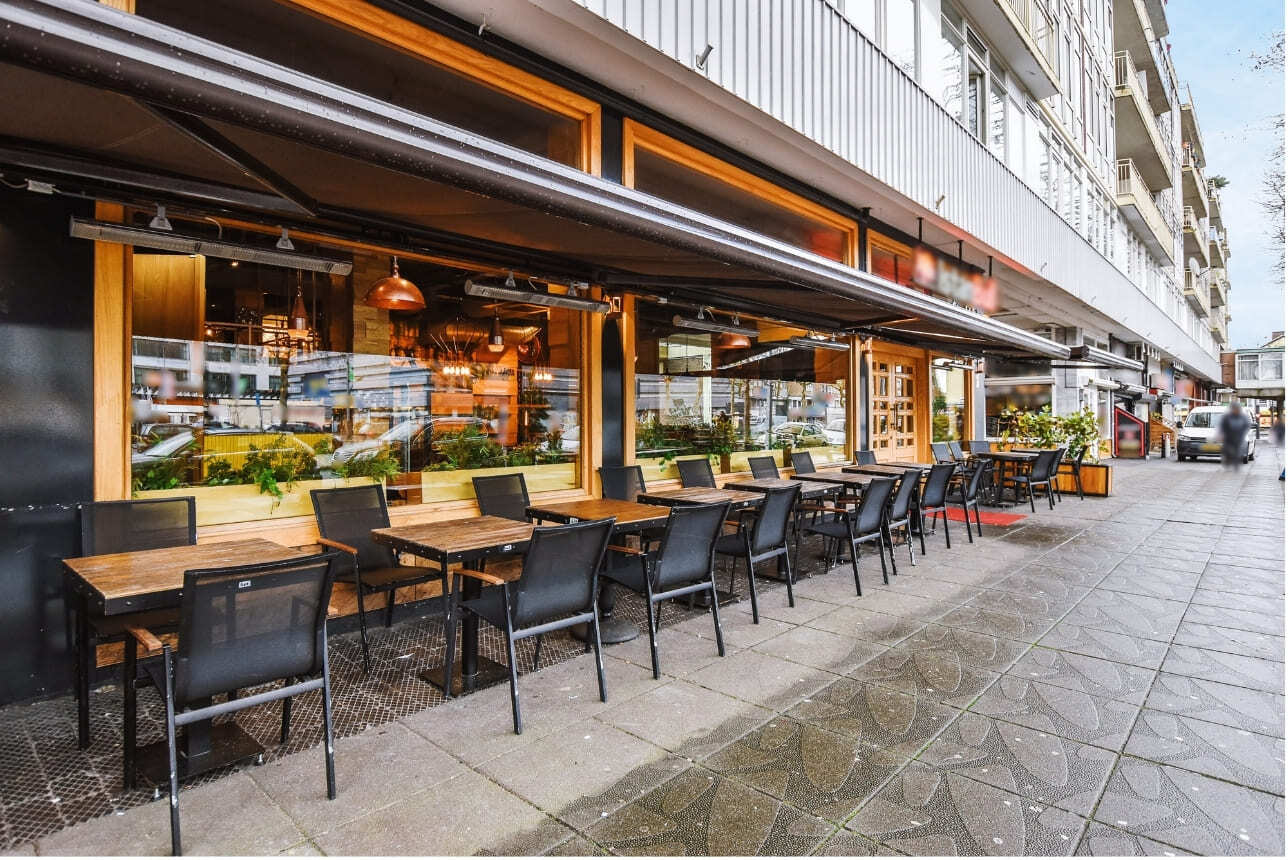
Restaurant expansion projects in 2026 indicate a significant shift in how regional economies grow. While digital sectors often capture the headlines, the physical presence of a new kitchen or dining room provides immediate benefits to a specific area. In places like Freddys, the arrival of Freddy'S often acts as a catalyst for broader retail development. When a recognized name moves into a vacant storefront, it sends a signal to other investors that the neighborhood is ready for further commercial activity.
The immediate impact of a new opening is most visible in the local labor market. A single mid-sized restaurant can employ dozens of people across various skill levels. These positions range from entry-level roles for students to specialized culinary and management positions that provide stable careers. Economic data from early 2026 suggests that these hospitality jobs support household spending within Freddys. Organizations that prioritize Oklahoma Eateries often find that they can maintain higher retention rates even as the industry becomes more competitive.
Supply Chain Integration and Local Sourcing
A restaurant does not operate in isolation. It relies on a network of suppliers, farmers, and logistics companies to keep its pantry stocked. In 2026, many brands have moved toward localized sourcing models to reduce transportation costs and ensure freshness. This shift means that a portion of the revenue generated at the table stays within the regional agricultural sector. Farmers who provide produce for Freddy'S benefit from consistent, high-volume orders that allow them to expand their own operations.
The logistical requirements of modern dining also support local service providers. Plumbers, electricians, and HVAC technicians are needed for the initial build-out and ongoing maintenance of these facilities. This secondary layer of economic activity is often overlooked but contributes significantly to the total financial impact of a new opening. Property owners and developers have noted that the adoption of Quality Nebraska Dining Experience helps ensure these facilities meet current energy standards and operational requirements.
Real Estate Revitalization in 2026

Commercial real estate markets depend heavily on the hospitality sector to anchor mixed-use developments. An empty storefront can drag down the value of an entire block, but a busy restaurant creates foot traffic that benefits neighboring shops. In 2026, developers are increasingly designing spaces specifically for food service, recognizing that these tenants are often the most resilient in a changing retail environment. This trend is particularly evident in Freddys where urban renewal projects are underway.
Lease structures have also evolved. Many property managers now offer incentives for brands that commit to long-term residency, which helps stabilize the tax base for the city. Residents searching for Illinois Food in Quincy often find that these new developments make their neighborhoods more walkable and convenient. The presence of a reliable dining option can even influence residential property values as people look to live in areas with better amenities.
The Circulation of Local Revenue
The money spent at a local restaurant circulates through the community multiple times. This is often referred to as the multiplier effect. When a server receives a tip or a manager gets a paycheck, they spend that money at local grocery stores, gas stations, and clothing shops. This cycle ensures that the initial investment in a new location continues to support the local economy long after the grand opening event has passed. In 2026, this effect has been a key driver of recovery for several smaller municipalities that were previously struggling to attract investment.
Municipalities also benefit from sales tax revenue and licensing fees. These funds are used to maintain roads, parks, and schools in Freddys. Without the tax contributions of the hospitality sector, many local governments would face budget shortfalls. By encouraging Freddy'S to open within their borders, city leaders are essentially investing in the long-term health of their public infrastructure.
Professional Training and Career Advancement
Modern restaurants in 2026 serve as training grounds for the next generation of business leaders. Many individuals who start in entry-level positions move into corporate roles or eventually open their own businesses. The training programs provided by expanding brands teach valuable skills in customer service, financial management, and operational efficiency. These skills are transferable to many other industries, making the hospitality sector a primary contributor to a more skilled local workforce.
Corporate expansion milestones in 2026 highlight the success of these internal development programs. When a brand opens its tenth or fiftieth location in a region, it usually does so with a leadership team that has risen through the ranks. This internal growth provides a sense of stability and professional opportunity that attracts top talent to the area. For those in Freddys, these openings represent more than just a place to eat; they are symbols of a healthy, growing career market.
Consumer behavior in 2026 also reflects a preference for brands that show a commitment to regional growth. People are more likely to support a business if they see it actively participating in local events or hiring from the community. This connection between the brand and the resident helps build long-term loyalty, which is essential for a restaurant's survival. As Freddy'S continues to expand, the bond between these businesses and their host cities will likely become even stronger, ensuring that the economic benefits of every new opening are felt for years to come.

Latest Posts
The 2026 Shift in Quick-Service Hospitality

The 2026 Shift in Quick-Service Hospitality

The 2026 Shift in Quick-Service Hospitality