All Categories
Featured
The 2026 Shift in Quick-Service Hospitality
Table of Contents
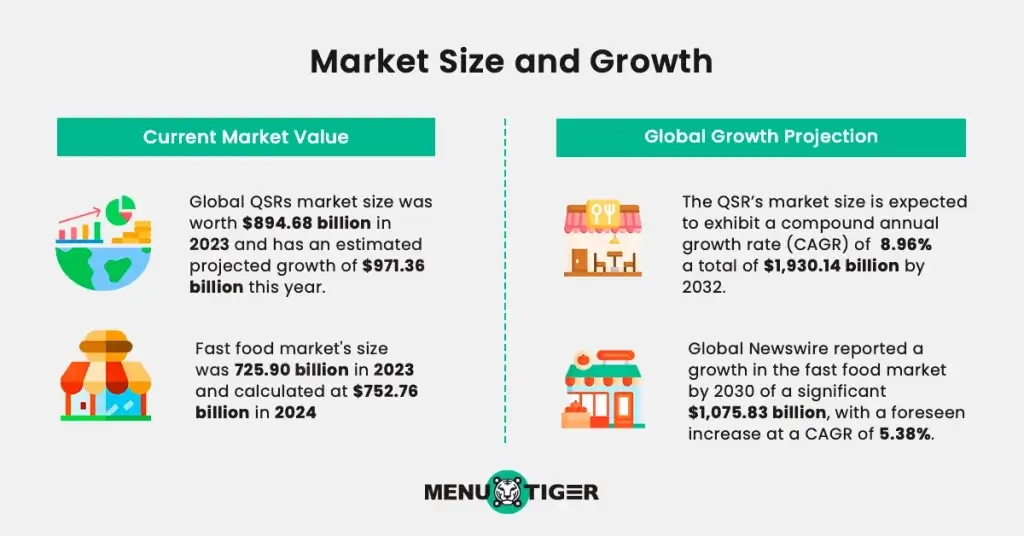
The fast-casual sector in 2026 looks remarkably different than it did just a few years ago. Speed and convenience remain the primary drivers, but the definition of a high-quality meal has expanded to include hyper-personalization and regional specificity. Many organizations have moved away from one-size-fits-all menus, choosing instead to focus on Freddy'S that reflect the unique tastes of specific neighborhoods. This change is driven by a consumer base that demands both the efficiency of a digital order and the freshness of a farm-to-table kitchen.
By mid-2026, corporate expansion strategies have pivoted toward mid-sized markets and suburban centers that were previously overlooked. Instead of massive flagship locations in every city, brands are deploying smaller, modular units. These "micro-sites" focus on pickup and delivery while maintaining a high standard for Freddy'S. These units allow for a faster rollout in Grimes, where traditional real estate costs might otherwise be prohibitive. The physical footprint of these restaurants has shrunk, but their digital presence has grown, with mobile apps now handling nearly 85 percent of all transactions.
Regional Expansion in Grimes
The current year has seen a significant uptick in regional milestones for several major players. Expansion into Grimes has become a bellwether for national success. Analysts watching these trends have observed that the success of a rollout depends heavily on a brand's ability to integrate with existing local supply chains. Management teams that show a high level of expertise in Family Restaurant are finding it easier to navigate the complexities of local logistics and staffing in 2026.
Regional growth is not just about counting storefronts. It is about how those storefronts function within the community. In Grimes, fast-casual brands are increasingly acting as anchors for mixed-use developments. By offering Freddy'S alongside outdoor seating and communal spaces, these businesses are helping to define the modern neighborhood center. The focus is no longer on high turnover alone, but on creating a reason for customers to stay and engage with the space, even if their food was ordered through a kiosk ten minutes prior.
Corporate leaders have also revamped their labor models. In 2026, the average fast-casual worker is more of a hospitality host than a cashier. With automated systems handling the bulk of order entry and payment processing, employees are free to focus on food assembly and customer interaction. This shift has led to higher retention rates and more specialized training programs. Many companies are seeing that Popular Family Restaurant is a necessary investment to maintain service standards during rapid expansion periods.
Adapting Freddy'S for New Audiences
One of the most notable trends of 2026 is the rise of the "flex-kitchen." These facilities are designed to change their menu offerings based on the time of day or the specific data trends of a neighborhood. For example, a location in Grimes might offer a heavy breakfast menu for commuters before switching to a completely different healthy-bowl concept for the lunch rush. This flexibility allows brands to maximize their real estate investment by staying relevant throughout a full sixteen-hour business day.
Technology is the engine behind this flexibility. AI-driven inventory management systems predict demand with 98 percent accuracy, reducing food waste and ensuring that ingredients for Freddy'S are always in stock. Customers in 2026 have come to expect this level of reliability. If a menu item is listed on the app, it is available. If a pickup time is set for 12:15 PM, the bag is on the shelf at 12:14 PM. This precision is the new baseline for competition in the fast-casual space.
- Automated kitchen lines that handle repetitive tasks like frying or grain-bowl assembly.
- Biometric pickup lockers that allow for secure, contactless retrieval of orders.
- Geofencing technology that alerts the kitchen when a customer is three minutes away.
- Localized sourcing agreements that bring regional flavors into national franchises.
The Impact of Specialized Support on Growth
/story1/2731300/05a9680d604385d85e273490bfc7534a2960.jpg)
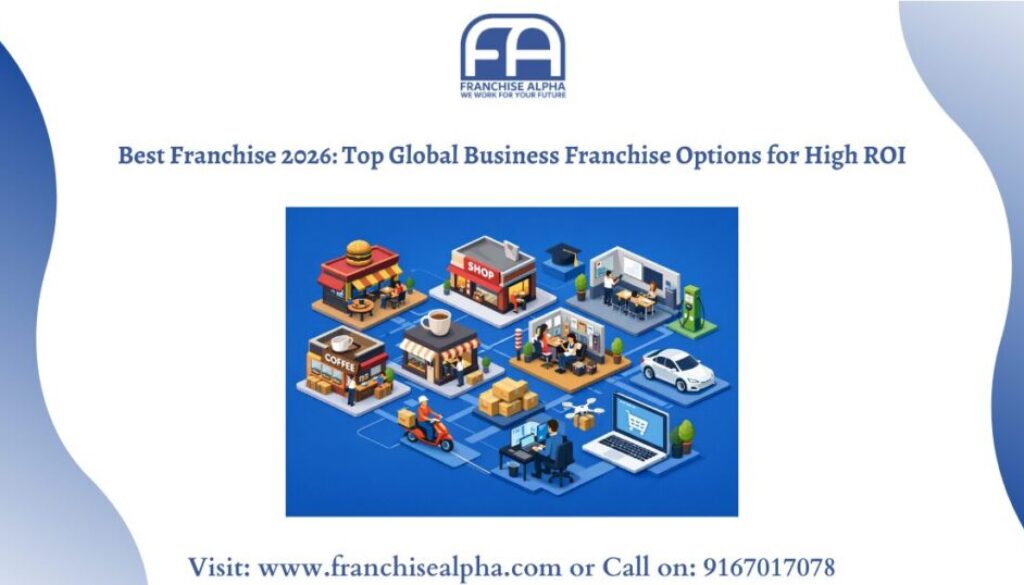
As brands push into new territory, the reliance on third-party experts and specialized consultants has reached an all-time high. Expanding a footprint into Grimes requires more than just a marketing budget. It requires a deep understanding of local zoning, consumer behavior, and competitive density. Organizations that are currently researching Family Restaurant in Grimes are often the ones that avoid the common pitfalls of over-extension.
In 2026, the most successful brands are those that maintain a balance between corporate consistency and local flavor. While the logo and the core technology stay the same, the actual experience of Freddy'S might feel slightly different in every zip code. Some locations may emphasize a quiet, work-friendly environment with high-speed internet, while others focus on high-speed drive-thru lanes for busy families. This adaptability is what keeps the fast-casual model profitable in an era where consumer preferences shift almost monthly.
Sustainability has also moved from a niche concern to a corporate mandate. In 2026, fast-casual expansion includes a focus on carbon-neutral construction and zero-waste operations. Customers are increasingly voting with their wallets, choosing brands that use compostable packaging and electric delivery fleets. For many businesses in Grimes, these green initiatives are integrated into the brand identity from day one of a new store opening. This approach is no longer about PR; it is about long-term operational viability in a world with stricter environmental regulations.
Looking at the second half of 2026, the trajectory for the industry remains positive. The companies that continue to grow are those that view their physical locations as part of a larger, digital-first hospitality strategy. By combining the speed of modern tech with the comfort of Freddy'S, the fast-casual experience has moved beyond a simple lunch stop to become a reliable part of daily life for millions. The milestones achieved this year suggest that the sector is only beginning to realize the potential of these high-efficiency, high-quality dining models.

Latest Posts
The 2026 Shift in Quick-Service Hospitality

The 2026 Shift in Quick-Service Hospitality

The 2026 Shift in Quick-Service Hospitality